Expert Physiotherapy for TMJ Dysfunction
Struggling with jaw pain, clicking, or difficulty opening your mouth? At Active Life Physiotherapy, we specialise in advanced TMJ disorder treatment to relieve pain and restore smooth jaw function.
• Effective relief from jaw pain and stiffness
• Improved jaw mobility and function
• Personalised physiotherapy programmes
• Evidence-based TMJ rehabilitation therapy
Whether your symptoms are mild or severe, our goal is to help you return to pain-free daily activities with confidence.
What Is TMJ Dysfunction?
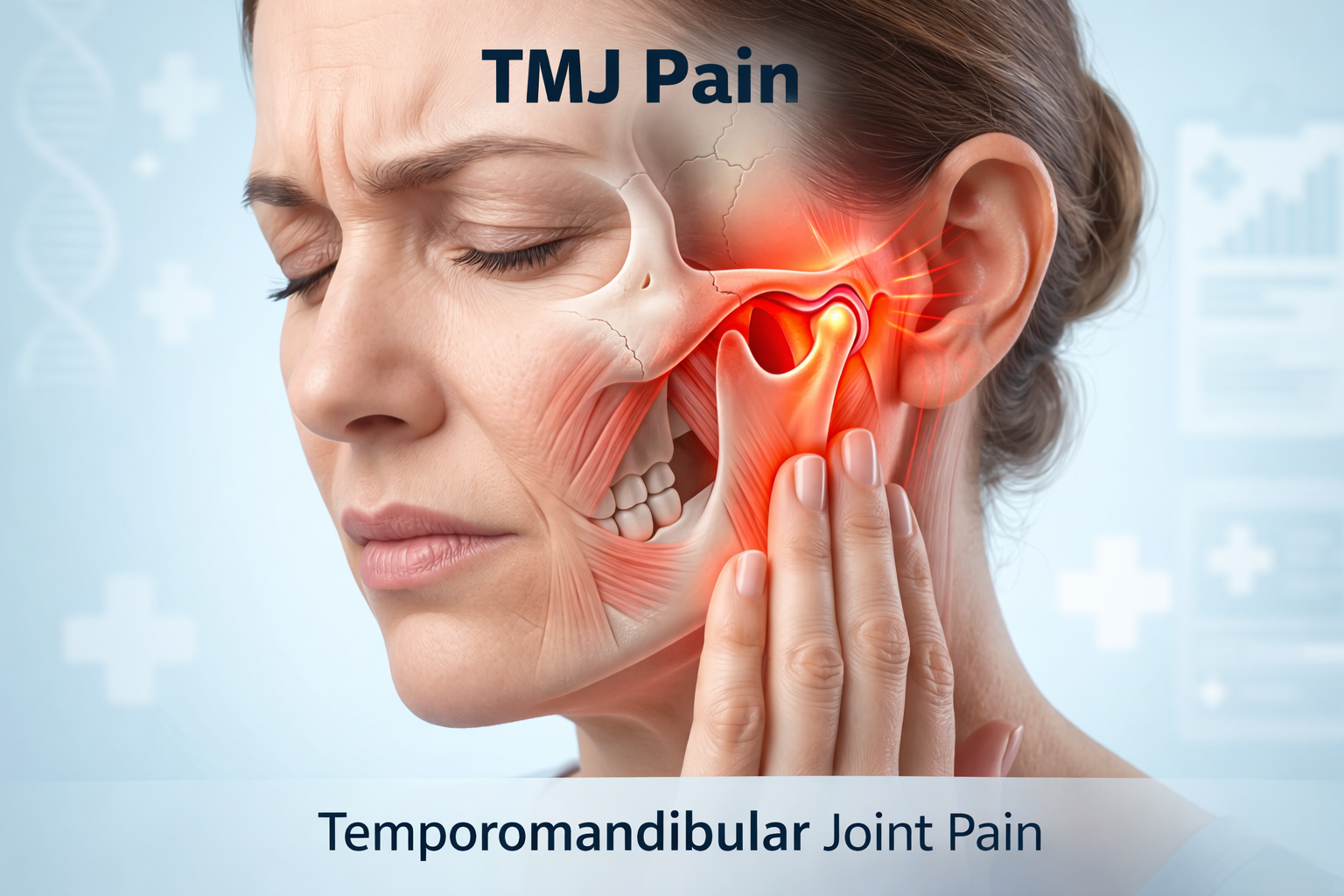
TMJ (Temporomandibular Joint) dysfunction refers to a group of conditions affecting the jaw joint and the surrounding muscles responsible for jaw movement.
• Located in front of the ear, connecting the jaw to the skull
• Essential for talking, chewing, and yawning
• Dysfunction can lead to pain, clicking sounds, and restricted movement
This condition is common but often overlooked. Early jaw joint dysfunction treatment can help prevent chronic pain, movement restrictions, and long-term complications.
Understanding the TMJ Joint
The temporomandibular joint (TMJ) is one of the most complex joints in the body, performing both hinge and sliding movements to allow smooth jaw function.
• Works on both sides of the face simultaneously
• Includes the joint disc, muscles, ligaments, and surrounding tissues
• Requires precise coordination for comfortable and efficient movement
Any imbalance, injury, muscle tension, or joint dysfunction within this system can result in pain, clicking, stiffness, and difficulty performing everyday activities such as eating and speaking.
TMJ dysfunction can develop due to multiple contributing factors affecting the jaw joint, muscles, and surrounding structures. Often, more than one factor is involved.
Common Causes Include:
• Disc displacement (may cause clicking or locking of the jaw)
• Muscle tightness and trigger points
• Bruxism (teeth grinding and clenching)
• Poor posture (forward head position)
• Cervical spine dysfunction
• Stress and anxiety
• Trauma or dental issues
Identifying the root cause is essential for effective facial pain management and long-term improvement in jaw function.
Common Symptoms of TMJ Dysfunction
Recognising symptoms early can help support faster recovery and prevent the condition from worsening. TMJ dysfunction may present with a range of jaw, facial, and associated symptoms.
• Jaw pain or tenderness
• Facial pain around the cheeks and temples
• Clicking, popping, or locking of the jaw
• Difficulty chewing or opening the mouth fully
• Headaches and neck pain
• Ear discomfort or ringing (tinnitus)
If you notice these symptoms, early jaw pain physiotherapy can help reduce discomfort, improve jaw function, and prevent long-term complications.
Comprehensive Assessment for :contentReference[oaicite:0]{index=0}
At Active Life Physiotherapy, we conduct a detailed and comprehensive evaluation to understand the exact cause of your jaw symptoms and dysfunction.
• Detailed medical and dental history
• Jaw movement and alignment analysis
• Muscle and joint palpation
• Postural and cervical spine assessment
• Identification of habits such as clenching or grinding
This thorough assessment process ensures an accurate diagnosis and allows us to design a targeted and effective treatment plan for long-term relief and improved jaw function.
Advanced Non-Invasive :contentReference[oaicite:0]{index=0} Treatment
We offer advanced, non-invasive treatment options designed to reduce pain, improve jaw function, and restore normal movement.
• Joint mobilisation – Helps improve jaw movement and joint flexibility
• Muscle therapy – Relieves muscle tension and releases trigger points
• Dry needling – Targets deep muscle pain and reduces tightness
• Electrotherapy – Helps reduce inflammation and manage pain effectively
Each treatment plan is fully customised based on your symptoms, severity, and functional needs to ensure long-term recovery and improved quality of life.
Rehabilitation plays a key role in restoring normal jaw function, reducing pain, and preventing recurrence of symptoms.
• Jaw movement correction exercises
• Muscle stretching and relaxation techniques
• Strengthening and coordination training
• Postural correction exercises
Our structured TMJ rehabilitation therapy is designed to improve joint stability, enhance muscle balance, and provide long-term relief with better functional outcomes.
The jaw and neck are closely connected, and problems in one area can directly influence the other.
• Cervical spine issues can contribute to jaw pain and dysfunction
• Poor posture increases stress on the temporomandibular joint (TMJ)
• Treating the neck often improves jaw movement and reduces pain
This is why we follow an integrated approach combining jaw and neck therapy, helping to improve alignment, reduce symptoms, and support long-term recovery.
We manage a wide range of TMJ-related conditions using advanced, evidence-based physiotherapy techniques.
• TMJ disorders (TMD)
• Jaw locking and restricted mouth opening
• Facial pain and headaches
• Bruxism-related jaw pain (teeth grinding and clenching)
• TMJ arthritis
• Post-traumatic jaw dysfunction
Our goal is to identify the root cause of your symptoms and provide targeted treatment to restore normal jaw function, reduce pain, and improve quality of life.
Simple Habits to Support Jaw Health in :contentReference[oaicite:0]{index=0}
Simple daily habits can help protect your jaw, reduce strain, and support long-term recovery.
• Avoid clenching and grinding
• Maintain a correct jaw resting position
• Follow a soft diet during pain flare-ups
• Practice stress management techniques
• Maintain good posture throughout the day
• Perform prescribed jaw exercises regularly
Consistency with these habits plays a key role in reducing symptoms and achieving long-term relief from jaw pain and dysfunction.
Patients choose Active Life Physiotherapy for expert, evidence-based care and long-term results in TMJ management.
• Experienced physiotherapists specialised in TMJ care
• Personalised, patient-focused treatment plans
• Combination of manual therapy and advanced techniques
• Holistic approach addressing root causes of symptoms
• Collaborative care with dental professionals when required
Our goal is to provide comprehensive treatment that reduces pain, restores jaw function, and improves overall quality of life through a structured and supportive approach.
Frequently Asked Questions about TMJ Dysfunction
1. Can TMJ dysfunction be cured with physiotherapy?
Yes, most TMJ conditions respond very well to physiotherapy when treated early and correctly. Treatment focuses on reducing pain, improving jaw movement, and addressing the underlying causes.
2. How long does TMJ treatment take?
Recovery time varies depending on the severity and duration of symptoms, but most patients notice improvement within a few weeks of starting treatment.
3. Is TMJ treatment painful?
No. Physiotherapy treatments are gentle and designed to reduce pain, muscle tension, and joint restriction rather than increase discomfort.
4. Do I need a night guard?
If you grind or clench your teeth (bruxism), your dentist may recommend a night guard. This can be used alongside physiotherapy for better results.
5. Can stress cause TMJ problems?
Yes. Stress can increase jaw clenching and muscle tension, which are common contributing factors to TMJ dysfunction.