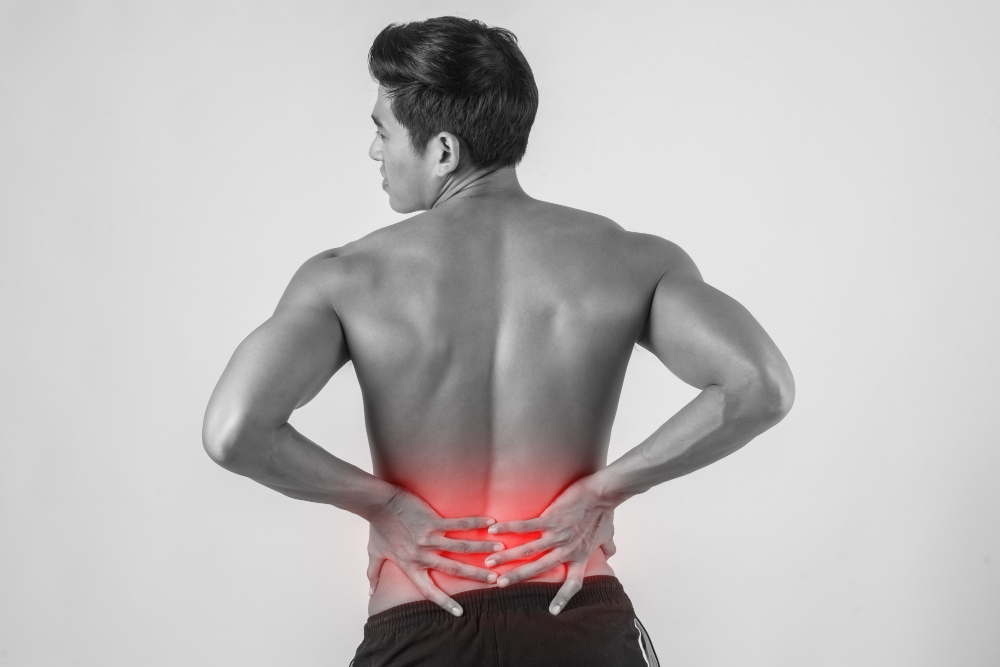
At Active Life Physiotherapy, we provide expert, evidence-based spinal stenosis treatment designed to relieve nerve compression, reduce pain, and restore mobility. Our personalised approach focuses on non-surgical spine decompression, helping you regain independence and return to an active, pain-free lifestyle.
Whether you are experiencing lower back pain, leg discomfort, or nerve-related symptoms, our team delivers targeted physiotherapy for spinal stenosis to address the root cause and improve your overall function.
Spinal canal stenosis is a condition where the space within the spine becomes narrowed, placing pressure on the spinal cord and surrounding nerves. This narrowing can lead to pain, numbness, weakness, and reduced mobility.
It most commonly affects:
While it is often associated with ageing, many patients achieve excellent results through narrow spinal canal therapy without the need for surgery.
The most common type of spinal stenosis, affecting the lower back and causing leg pain, heaviness, cramping, and reduced walking tolerance. It is often associated with neurogenic claudication, where symptoms worsen during walking or prolonged standing and improve with rest or forward bending.
This type affects the neck region and may lead to arm pain, numbness, weakness, tingling sensations, and coordination difficulties. In more advanced cases, cervical stenosis can impact balance, walking ability, and fine motor skills such as writing or buttoning clothes.
Foraminal stenosis occurs when the openings through which spinal nerves exit become narrowed. This can compress the nerves and cause sharp, radiating pain, numbness, or weakness that travels into the arms or legs.
Central canal stenosis involves narrowing of the main spinal canal, placing pressure on the spinal cord or nerve bundle. This form often causes more widespread symptoms, including pain, weakness, balance issues, and reduced overall mobility.
Spinal stenosis typically develops gradually due to degenerative changes in the spine. Common causes include:
Understanding these factors helps guide effective back pain nerve compression relief strategies and allows for targeted treatment aimed at reducing symptoms, improving mobility, and preventing further spinal deterioration.
Early diagnosis and appropriate physiotherapy for spinal stenosis can help reduce symptoms, improve mobility, and prevent further progression of nerve compression.
You should seek professional care if you experience:
Early intervention with physiotherapy for spinal stenosis can significantly slow symptom progression, reduce pain, improve mobility, and enhance overall quality of life.
At Active Life, we follow a structured and personalised rehabilitation plan designed to reduce nerve compression, relieve pain, improve mobility, and help you return to daily activities with confidence.
Comprehensive evaluation of posture, movement patterns, nerve function, flexibility, and walking ability to identify the source of symptoms and create a targeted treatment plan.
Use of manual therapy, soft tissue techniques, and therapeutic modalities such as TENS to reduce pain, inflammation, and nerve irritation.
Specialised exercises designed to gently open the spinal canal, reduce pressure on affected nerves, and improve overall comfort during movement.
Strengthening the deep core and spinal stabilising muscles to provide better support for the spine and reduce mechanical stress.
Hands-on physiotherapy techniques used to improve joint mobility, decrease stiffness, and enhance overall spinal function.
Education and training on proper posture, ergonomics, and body mechanics to minimise strain on the spine during daily activities.
Structured walking programmes aimed at improving walking tolerance, reducing leg heaviness, and enhancing functional mobility.
Personalised home exercise programmes and lifestyle guidance to maintain treatment results, support spinal health, and help prevent symptom recurrence.
We specialise in the assessment and rehabilitation of a wide range of spinal stenosis-related conditions, helping patients reduce pain, improve mobility, and avoid unnecessary surgery.
Our evidence-based physiotherapy programs are tailored to each patient’s condition, focusing on pain relief, nerve decompression, improved function, and long-term spinal health.
Your initial session includes a comprehensive assessment of your symptoms, posture, spinal mobility, nerve function, and walking ability. We will explain your diagnosis in detail and develop a personalised treatment plan tailored to your specific needs and recovery goals.
Recovery timelines vary depending on the severity of the condition, duration of symptoms, and individual response to treatment.
Regular attendance, adherence to home exercises, and lifestyle modifications play an important role in achieving the best possible outcomes.
Yes, many patients achieve excellent results with conservative treatment. A structured physiotherapy programme can reduce pain, improve mobility, and help many individuals avoid surgery.
Yes. When performed correctly and progressed gradually, guided walking programmes can improve mobility, increase walking tolerance, and help reduce symptoms associated with spinal stenosis.
Sitting, bending forward, or adopting a cycling posture often helps reduce nerve compression and may provide temporary symptom relief for many patients.
Spinal stenosis can progress gradually; however, early intervention with physiotherapy can effectively manage symptoms, improve function, and help slow the impact of the condition on daily activities.
Seek urgent medical attention if you experience loss of bladder or bowel control, severe leg weakness, or rapidly worsening neurological symptoms, as these may require immediate medical evaluation.