Kinesio Taping for Pain Relief, Support & Recovery
Kinesio taping is an advanced, evidence-based technique used in modern physiotherapy to relieve pain, support muscles and joints, and enhance recovery and performance. At Active Life, we provide expert Kinesio taping for sports injuries, rehabilitation, and everyday musculoskeletal conditions—helping you move better, recover faster, and perform at your best.
What Is Kinesio Taping?
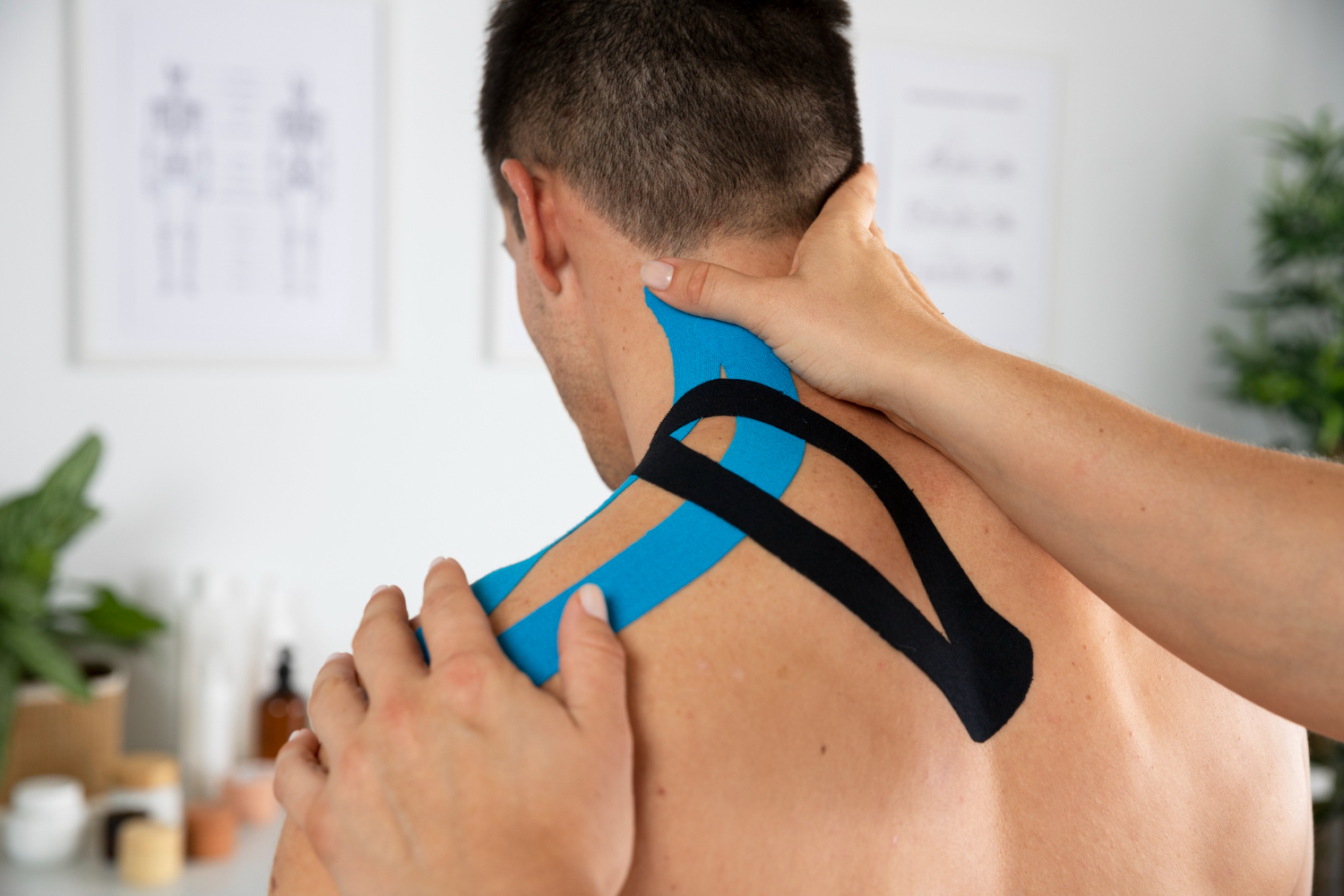
Kinesio taping is a therapeutic technique that uses elastic, skin-friendly tape applied strategically to the body. Unlike rigid taping, it allows a full range of motion while delivering continuous therapeutic support.
It works by:
- Supporting muscles and joints without restricting movement
- Improving the body's natural healing processes
- Enhancing body awareness (proprioception)
- Providing a flexible, non-invasive treatment option
This makes Kinesio taping ideal for athletes, active individuals, and anyone recovering from injuries or managing chronic pain.
Benefits of Kinesio Taping
Kinesio taping offers multiple clinically proven benefits, making it a valuable addition to physiotherapy rehabilitation and sports injury management.
-
Pain Relief: Reduces discomfort through neurological and mechanical effects, helping alleviate pain naturally.
-
Muscle Support & Activation: Helps weak muscles function more effectively while relaxing overactive or strained muscles.
-
Swelling Reduction: Assists lymphatic drainage and helps decrease inflammation around injured tissues.
-
Improved Circulation: Enhances blood flow, supporting tissue healing and recovery.
-
Enhanced Performance & Recovery: Provides support for athletes during training and competition while promoting faster recovery.
Kinesio taping is widely used as part of KT tape physiotherapy treatment and athletic taping therapy, helping patients recover safely while maintaining normal movement.
How Kinesio Taping Works
Kinesio taping works through several physiological mechanisms that support healing, improve movement, and reduce pain. The elastic properties of the tape allow it to provide continuous therapeutic effects while maintaining normal mobility.
Skin Lifting Effect
The elastic tape gently lifts the skin, creating space between underlying tissues. This helps reduce pressure and improves the movement of blood and lymphatic fluid.
Pain Relief Mechanism
Kinesio tape stimulates sensory receptors in the skin, helping to block pain signals sent to the brain through the gate control theory, resulting in natural pain relief.
Lymphatic Drainage
By promoting the removal of excess fluid and metabolic waste products, Kinesio taping helps reduce swelling and accelerates tissue recovery.
Muscle Facilitation & Inhibition
- Activates weak or injured muscles to improve function.
- Relaxes tight, overused, or fatigued muscles to reduce strain.
Proprioception Improvement
Kinesio taping enhances body awareness and movement control, helping improve coordination and reducing the risk of re-injury.
Types of Kinesio Taping Techniques
Different Kinesio taping techniques are used depending on the condition being treated and the desired therapeutic effect. At Active Life, our physiotherapists apply evidence-based taping methods tailored to your individual needs.
Muscle Taping
Supports or activates muscles depending on the application technique. It helps improve muscle function, reduce fatigue, and enhance movement efficiency.
Ligament & Tendon Support
Provides additional stability to injured ligaments and tendons while reducing stress on healing tissues without restricting normal movement.
Lymphatic Taping
Specially designed to decrease swelling and bruising by improving lymphatic drainage and promoting fluid circulation.
Functional Correction
Helps improve joint alignment and movement patterns, enhancing biomechanics and reducing abnormal stress on tissues.
Postural Taping
Encourages better posture through gentle sensory feedback, helping maintain proper body alignment during daily activities.
Conditions Treated with Kinesio Taping
At Active Life, we use muscle support taping therapy for a wide range of conditions. Kinesio taping is integrated into comprehensive physiotherapy programs to reduce pain, support healing, and improve movement.
-
Sports Injuries: Helps support recovery from sprains, strains, and overuse injuries while allowing natural movement.
-
Back and Neck Pain: Relieves muscle tension, improves posture, and reduces discomfort associated with acute and chronic conditions.
-
Knee and Shoulder Conditions: Provides additional support and stability to improve function and reduce stress on affected joints.
-
Tendinitis and Muscle Strains: Assists healing by reducing strain on injured tissues and promoting optimal muscle function.
-
Post-Surgical Swelling: Encourages lymphatic drainage and helps decrease swelling during the recovery process.
-
Joint Instability: Enhances proprioception and provides gentle support to improve joint control and reduce the risk of re-injury.
Kinesio Taping for Sports Rehabilitation & Performance
Kinesio taping plays a key role in sports rehabilitation and athletic performance. It provides support without restricting movement, allowing athletes to continue training while recovering safely and efficiently.
-
Ankle Sprain: Improves joint stability, reduces swelling, and supports safe movement during recovery.
-
Knee Pain (Runner’s Knee): Enhances patellar tracking, decreases stress on the knee, and helps relieve pain during activity.
-
Shoulder Injuries: Supports the rotator cuff muscles, improves posture, and assists functional movement.
-
Muscle Strains: Reduces stress on injured muscles and aids a gradual, safe return to exercise and sport.
-
Performance Support: Enhances movement efficiency, body awareness, and confidence during training and competition.
As part of a comprehensive rehabilitation program, Kinesio taping helps athletes recover effectively while maintaining performance and minimizing the risk of re-injury.
Additional Uses of Kinesio Taping
Beyond sports rehabilitation, pain relief kinesiology taping is highly effective for a variety of conditions and rehabilitation goals. Its non-invasive and adaptable nature makes it suitable for patients of all ages and activity levels.
-
Postural Correction: Provides gentle feedback to encourage better alignment and movement habits.
-
Pregnancy-Related Back and Pelvic Pain: Offers support and helps reduce discomfort associated with changing body mechanics.
-
Neurological Rehabilitation: Assists muscle activation and movement control in patients recovering from neurological conditions.
-
Lymphoedema Management: Promotes lymphatic drainage to help reduce swelling and improve fluid circulation.
Kinesio taping is safe, non-invasive, and can be customized to meet different patient needs and rehabilitation goals.
What to Expect During Treatment
Before Application
- Detailed physiotherapy assessment.
- Identification of target muscles and joints requiring support.
- Skin preparation to ensure optimal tape adhesion.
During Application
- Precise tape placement using the appropriate tension and technique.
- A comfortable and completely pain-free procedure.
- Application typically takes approximately 5–15 minutes.
Aftercare & Duration
- The tape generally remains effective for 3–5 days.
- Waterproof and breathable, allowing normal bathing and exercise.
- Most patients can continue their normal daily activities without restrictions.
Safety & Precautions
Kinesio taping is a safe and effective treatment when applied by trained professionals. However, certain conditions require caution, and taping may not be appropriate for everyone.
When Kinesio Taping Should Be Avoided
- Open Wounds or Infections: Tape should not be applied over broken or infected skin.
- Skin Allergies or Sensitivities: Individuals with adhesive allergies or highly sensitive skin may experience irritation.
- Deep Vein Thrombosis (DVT): Kinesio taping is contraindicated due to the risk of affecting blood clots.
- Fragile or Damaged Skin: Extra care is required, and taping may be unsuitable if the skin is easily injured.
Important Precautions
- Monitor for Irritation: Check the skin regularly for redness, itching, or discomfort.
- Remove Gently: Peel the tape off slowly to minimize skin irritation and discomfort.
- Follow Physiotherapist Advice: Adhere to the recommended duration and care instructions provided by your physiotherapist.
Professional assessment and application help ensure that Kinesio taping is used safely and effectively as part of your rehabilitation program.
Our Approach at Active Life
At Active Life, we follow a structured and personalized approach to ensure safe, effective, and long-lasting results with Kinesio taping therapy.
-
Assessment-Based Treatment: Every taping application is tailored to your specific condition after a detailed physiotherapy assessment.
-
Precise Application: Kinesio taping is performed by trained professionals using evidence-based techniques for optimal results.
-
Integrated Physiotherapy Plan: Taping is combined with exercise therapy, manual therapy, and rehabilitation programs for comprehensive recovery.
This structured approach ensures maximum effectiveness, faster recovery, and improved long-term outcomes for patients.
1. How long does Kinesio tape last?
Typically 3–5 days depending on activity level, skin type, and the area of application.
2. Can I shower with Kinesio tape?
Yes. Kinesio tape is water-resistant and designed for daily activities, including showering.
3. Is Kinesio taping painful?
No. The application is generally comfortable and should not cause any pain when applied correctly.
4. Does it really help with pain?
Yes. Kinesio taping helps reduce pain through well-established physiological mechanisms such as improved circulation, sensory stimulation, and muscle support.
5. Can I apply it myself?
Basic applications can be done at home, but professional physiotherapy guidance ensures correct technique and the best therapeutic results.