Genu valgus, commonly known as knock knees, can affect both children and adults by altering normal leg alignment and causing discomfort, instability, and long-term joint issues. At Activelife Physiotherapy, we provide expert knock knees treatment using evidence-based techniques to correct alignment, reduce pain, and restore natural movement patterns.
Our approach combines advanced genu valgus correction therapy, targeted exercises, and personalised rehabilitation programmes to help patients regain confidence in their mobility and lead an active, pain-free life.
Introduction to Genu Valgus
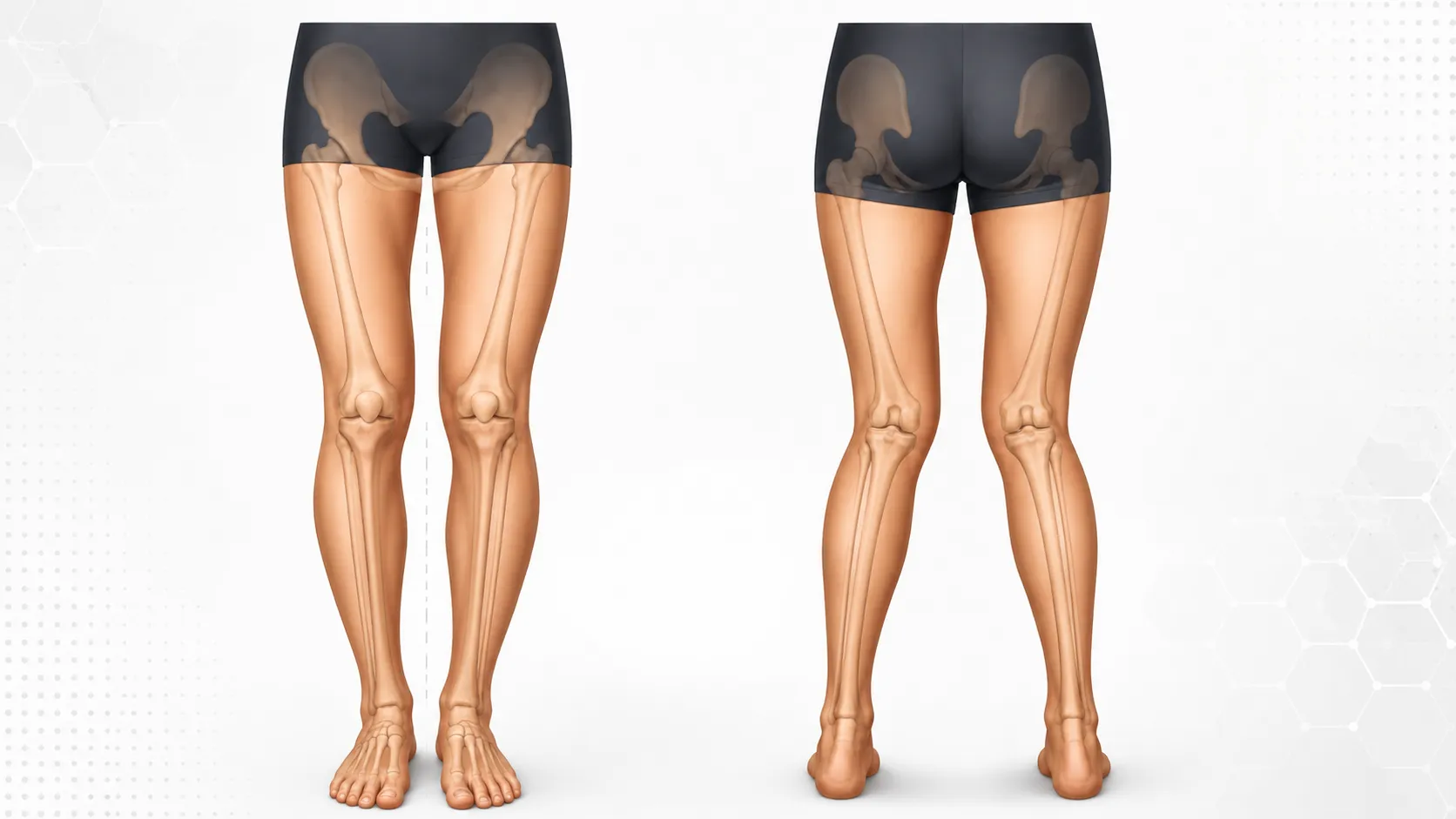
Genu valgus is a condition where the knees angle inward while the ankles remain apart when standing. While mild cases are common in children and often resolve naturally, persistent or severe cases require professional attention.
Early intervention through knee alignment physiotherapy can help prevent complications such as joint stress, abnormal walking patterns, reduced mobility, and long-term knee damage.
Normal Knee Alignment
In a healthy posture, the hips, knees, and ankles align in a straight line, allowing body weight to be distributed evenly across the joints. This proper alignment helps maintain balance, supports efficient movement, and reduces unnecessary stress on the knees and surrounding structures.
What Happens in Genu Valgus?
In genu valgus, the knees angle inward toward each other, creating uneven pressure across the joints. This altered alignment can increase stress on the inner knee structures and affect the body's overall biomechanics.
Over time, this imbalance may contribute to discomfort, reduced stability, abnormal walking patterns, and increased strain on the hips, ankles, and spine. Early assessment and appropriate rehabilitation can help improve alignment and minimise long-term complications.
Physiological Genu Valgus
Physiological genu valgus is a normal stage of growth and development in children, typically occurring between the ages of 3 and 6 years. In most cases, the knee alignment gradually improves on its own as the child grows, requiring only regular monitoring and guidance.
Pathological Genu Valgus
Pathological genu valgus develops due to underlying factors such as nutritional deficiencies, previous injuries, growth disturbances, obesity, or structural abnormalities affecting the bones and joints. Unlike physiological genu valgus, this condition may persist or worsen over time and often requires professional assessment and postural knee deformity treatment to improve alignment, reduce joint stress, and prevent long-term complications.
Developmental Factors
Natural growth variations are a common cause of genu valgus in children. While most cases improve with age, delayed correction of leg alignment may lead to persistent knock knees that require professional assessment and management.
Muscle Imbalances
Weakness in the hip, thigh, and core muscles can affect lower-limb alignment and reduce the body's ability to maintain proper knee positioning during standing, walking, and other activities.
Medical Conditions
Certain medical conditions can contribute to the development of genu valgus, including:
Lifestyle Factors
Several lifestyle-related factors may increase the risk or severity of genu valgus, including:
Identifying and addressing these contributing factors is an important part of effective rehabilitation and long-term knee alignment management.
Early Signs
The early signs of genu valgus may be subtle and often become more noticeable during standing and walking activities. Common early indicators include:
Advanced Symptoms
If genu valgus persists or worsens, additional symptoms may develop, affecting mobility, comfort, and overall function.
Recognising these symptoms early is important for initiating timely pediatric knee correction or adult rehabilitation programmes, helping to improve alignment and prevent long-term joint complications.
If knee alignment does not improve after age 7, or if pain and mobility issues develop, a professional evaluation is necessary. At Activelife Physiotherapy, we perform a detailed assessment of posture, gait, muscle strength, and joint function to design a personalized treatment plan.
Medical Management
In certain severe or progressive cases of genu valgus, additional medical intervention may be recommended. This can include the use of corrective braces, orthotic support, or consultation with an orthopaedic specialist to evaluate the need for further treatment options.
Physiotherapy Treatment
Physiotherapy is widely regarded as the most effective non-invasive approach for managing genu valgus. At Activelife Physiotherapy, our knee alignment physiotherapy programmes focus on improving movement patterns, enhancing muscle strength, correcting postural imbalances, and promoting proper lower-limb alignment.
Through targeted exercises and personalised rehabilitation, we help reduce joint stress, improve stability, and support long-term functional recovery.
Assessment & Evaluation
Every treatment programme begins with a comprehensive assessment of posture, walking patterns, joint alignment, muscle strength, and movement mechanics. This helps identify the underlying causes of genu valgus and allows us to create a personalised rehabilitation plan.
Strength Training
Targeted strengthening exercises focus on the hip, thigh, and core muscles to improve lower-limb stability and support proper knee alignment during daily activities.
Stretching Exercises
Structured flexibility programmes help reduce muscle tightness and improve joint mobility, allowing the knees to move in a more natural and efficient alignment.
Movement Retraining
We teach correct walking, running, standing, and sitting techniques to address faulty movement patterns and reduce unnecessary stress on the knees.
Balance & Stability Training
Balance and coordination exercises help improve body control, enhance joint stability, and prevent inward knee collapse during functional activities and sports.
Orthotic Guidance
When necessary, supportive footwear or custom insoles may be recommended to improve lower-limb alignment, distribute weight more evenly, and support the overall rehabilitation process.
Consistency is key in recovery. Patients are guided with simple daily exercises that can be performed at home to support clinic-based therapy and speed up results.
Recovery Timeline
Recovery and improvement in genu valgus vary depending on factors such as age, severity of the condition, underlying causes, and consistency with the rehabilitation programme.
Regular follow-up sessions allow progress to be monitored closely, treatment plans to be adjusted when necessary, and help prevent recurrence or worsening of the condition.
Long-Term Effects of Untreated Genu Valgus
If left untreated, genu valgus can gradually affect overall movement efficiency, joint health, and physical performance. The altered alignment places uneven stress on the lower limbs, which may lead to a variety of functional and musculoskeletal problems over time.
Persistent genu valgus may also contribute to secondary complications, including:
Early intervention and appropriate rehabilitation can help improve alignment, reduce joint stress, and prevent these long-term complications from developing.
Conditions We Treat
At Activelife Physiotherapy, we provide comprehensive assessment and rehabilitation programmes for a wide range of genu valgus and lower-limb alignment conditions. Our treatment plans are tailored to each patient's age, symptoms, and functional goals.
Our goal is to improve alignment, reduce joint stress, enhance mobility, and support long-term musculoskeletal health through evidence-based physiotherapy care.
What to Expect in Your First Visit
Your first physiotherapy session includes a comprehensive evaluation of your posture, lower-limb alignment, walking pattern, muscle strength, flexibility, and overall movement mechanics. This detailed assessment helps identify the underlying causes contributing to genu valgus.
We will explain your condition in detail, discuss your symptoms and goals, and answer any questions you may have regarding treatment and recovery.
Based on the findings, a personalised rehabilitation plan is created with clear treatment goals, progress milestones, and expected timelines to help you achieve the best possible outcome.
Most patients benefit from approximately 10–20 physiotherapy sessions, combined with a consistent home exercise programme. Regular participation and adherence to the prescribed exercises play a key role in achieving lasting improvements in alignment, strength, and function.
Benefits of Early Physiotherapy Treatment
Early intervention is important for achieving the best outcomes in genu valgus management. Addressing alignment issues before they progress can help improve movement patterns, reduce joint stress, and prevent long-term complications.
With timely physiotherapy, patients can develop better movement mechanics, improve lower-limb strength, and achieve long-term improvements in function and overall quality of life.
Frequently Asked Questions
Can knock knees be corrected without surgery?
Yes, most cases can be effectively managed with
genu valgus correction therapy and targeted physiotherapy
aimed at improving alignment, strength, and movement patterns.
Is it normal for children to have knock knees?
Yes, mild knock knees are common during early childhood as part of normal
growth and development. However, persistent or worsening cases should be
evaluated by a physiotherapist or specialist.
How long does treatment take?
The duration varies depending on severity and consistency with treatment,
but noticeable improvement is often seen within a few weeks of regular
physiotherapy.
Does genu valgus cause pain?
Yes, in some adults it can cause pain due to uneven stress distribution on
the knee joints and surrounding structures.
Can adults benefit from physiotherapy?
Absolutely. knee alignment physiotherapy can significantly
improve joint function, reduce pain, enhance stability, and support better
long-term movement efficiency.