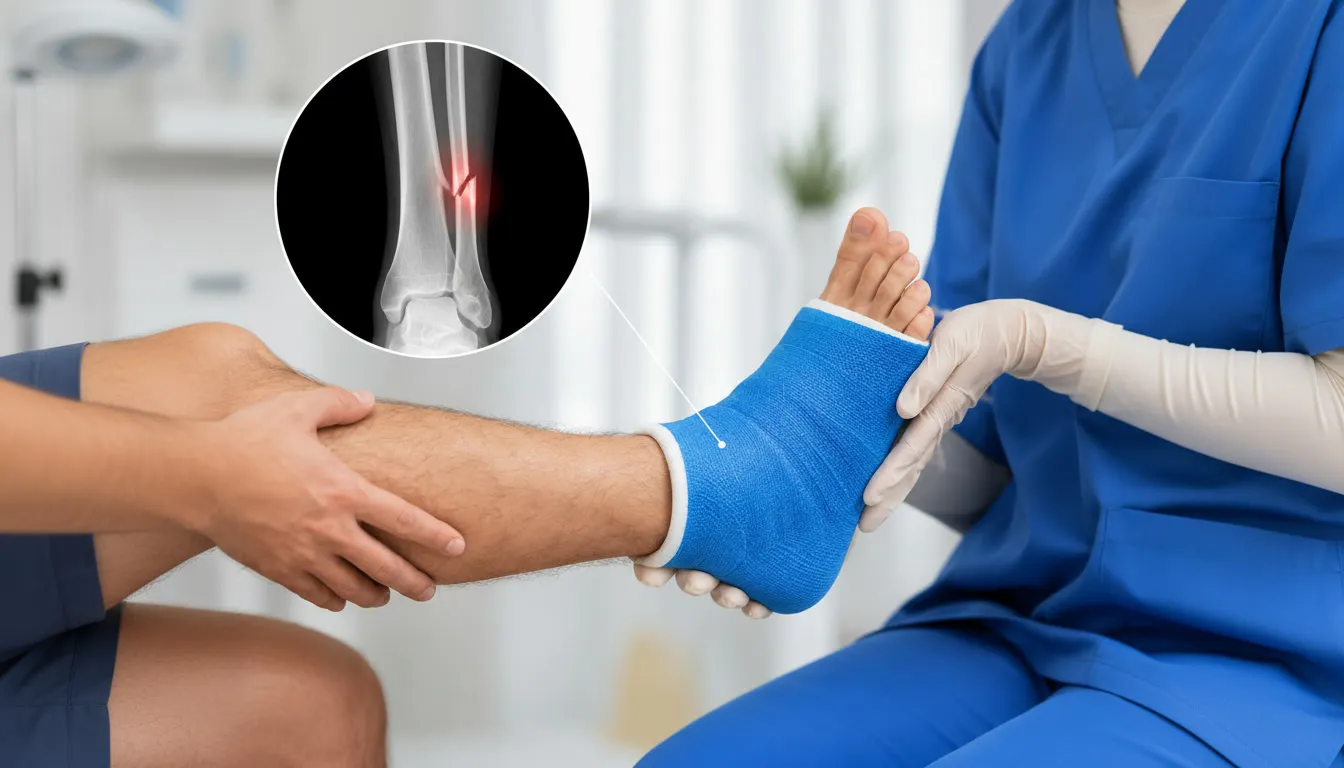
A fracture may seem like the end of normal movement—but in reality, it’s just the beginning of your recovery journey. While the bone heals with medical care, your muscles weaken, joints stiffen, and mobility reduces.
Without proper rehabilitation, even a well-healed fracture can leave you with pain, limited movement, and reduced strength.
At Activelife Physiotherapy, we provide expert-led Post-Fracture Physiotherapy that focuses on restoring movement, rebuilding strength, and helping you return to your daily life confidently and safely.
A fracture is a break in the bone caused by trauma, stress, or medical conditions such as osteoporosis. However, the effects of a fracture extend beyond the bone itself.
Bone healing occurs in three important stages:
Swelling, pain, and the body's initial healing response begin immediately after the fracture.
New bone tissue forms and gradually stabilizes the fractured area.
The bone continues to strengthen, reshape, and adapt to normal movement and daily activities.
👉 This is where Fracture Rehabilitation Therapy plays a crucial role in restoring mobility, strength, flexibility, and overall function.
At Activelife Physiotherapy, we provide comprehensive rehabilitation for all types of fractures, helping patients regain strength, mobility, and confidence after injury.
Our orthopedic rehabilitation clinic provides personalized treatment programs to support complete recovery, regardless of the fracture type or location.
Many patients believe recovery ends when the cast is removed—but that’s only the beginning of the rehabilitation process.
Without proper Bone Injury Recovery Treatment, you may experience:
Physiotherapy helps reverse these effects by restoring mobility, rebuilding strength, improving function, and supporting a safe return to daily activities.
With a structured rehabilitation program, patients can achieve a faster recovery and regain confidence in movement.
At Activelife Physiotherapy, we follow a structured and personalized recovery plan.
✔ Comprehensive Assessment Includes:
This helps us design the most effective Fracture Rehabilitation Therapy tailored to your needs.
We focus on reducing discomfort through:
This supports effective Fracture Pain Management.
After immobilization, joints often become stiff. We use:
to restore smooth and pain-free movement.
Muscles weaken quickly after injury. We design progressive exercises to:
For lower limb fractures, walking must be restored carefully. We guide you through:
Fractures can affect body awareness and stability. We include:
to help prevent falls and re-injury.
We help you return to daily life by training:
Water-based therapy can help:
For active individuals, we provide:
Hip fractures require intensive rehabilitation, especially in older adults.
Our rehabilitation program includes:
This approach helps restore independence, improve mobility, and support a faster recovery.
| Our Expertise | Your Benefit |
|---|---|
| Personalized rehab plans | Faster recovery |
| Advanced treatment techniques | Better pain relief |
| Experienced physiotherapists | Accurate diagnosis |
| Holistic approach | Complete recovery |
| Modern equipment | Safe and effective treatment |
Our Orthopedic Rehabilitation Clinic ensures you recover stronger than before.
You can begin Post-Fracture Physiotherapy within a few days after injury, even during immobilization, through safe and guided exercises.
Recovery varies depending on the type and severity of the fracture:
Yes. Physiotherapy is essential for restoring movement, strength, and function following surgical fracture fixation.
Absolutely. Our Fracture Pain Management techniques help reduce pain, improve mobility, and support the healing process.
With proper Bone Injury Recovery Treatment, most patients regain full or near-full function and return to their normal activities.
Yes. Strength training, balance exercises, fall prevention strategies, and bone health education can help reduce the risk of future fractures.