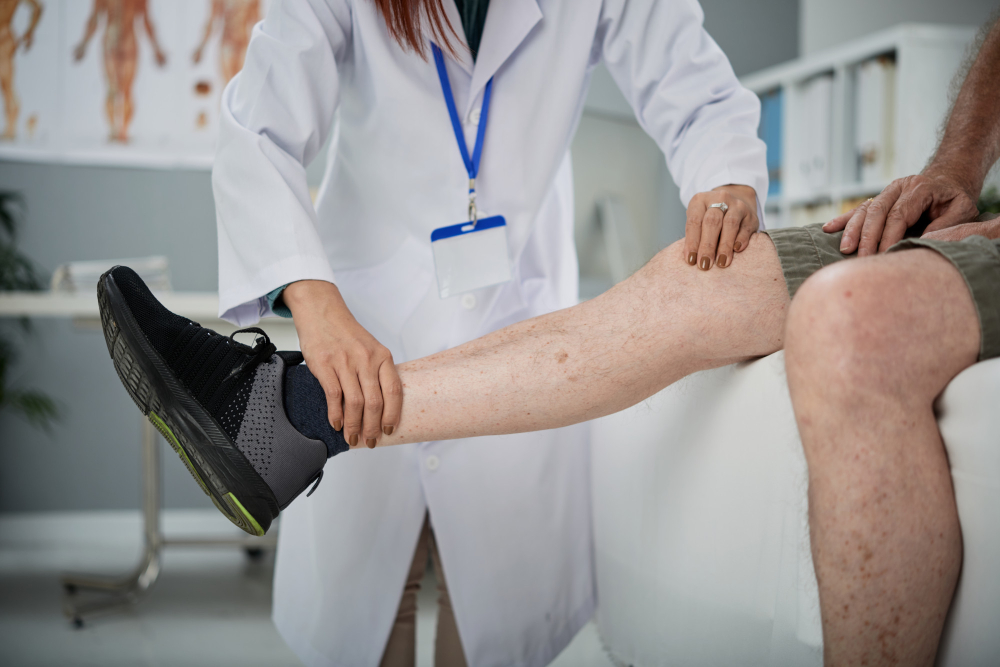
Deep Vein Thrombosis (DVT) often begins quietly — a slight heaviness in the leg, mild swelling, or a dull ache that doesn’t go away. Sometimes, there are no clear warning signs at all until a diagnosis confirms the presence of a blood clot.
While the acute medical phase of DVT is critical and requires immediate attention, what comes after is equally important. Recovery doesn’t end with medication — it begins there.
At Activelife Physiotherapy, we specialise in DVT physiotherapy management, guiding patients safely through every stage of healing — from early recovery to complete restoration of mobility, strength, and confidence.
Deep vein thrombosis occurs when a blood clot forms in the deep veins — most commonly in the legs. This clot blocks normal blood flow, leading to swelling, pain, and increased pressure within the vein.
The body relies on healthy veins, valves, and muscle activity (especially the calf muscles) to circulate blood efficiently. When DVT occurs, this system is disrupted — and without proper rehabilitation, long-term complications may develop.
DVT carries two major risks:
This is why Post-DVT Rehabilitation is essential — not optional.
DVT develops due to a combination of factors known as Virchow’s Triad:
Understanding these factors helps in both recovery and prevention of DVT.
DVT symptoms can vary from mild to severe. Common signs include:
⚠️ If these symptoms occur, seek immediate medical care.
Medication helps prevent clot growth — but it does not restore function. This is where DVT physiotherapy management plays a crucial role.
Physiotherapy helps to:
With structured care, patients can achieve a safe and complete Deep Vein Thrombosis Recovery.
At Activelife Physiotherapy, we follow a safe, structured, and evidence-based approach tailored to each patient.
Every rehabilitation plan begins with a detailed evaluation:
This ensures a personalised treatment plan for effective recovery.
A key component of recovery is circulation improvement therapy, which focuses on restoring healthy blood flow through controlled movement.
This includes:
These exercises activate the natural “muscle pump” system, improving circulation safely.
Swelling is one of the most uncomfortable symptoms after DVT.
Our approach includes:
This combination significantly reduces discomfort and supports faster healing.
After DVT, muscles often become weak due to inactivity.
We focus on:
This is essential for long-term recovery and independence.
Patients often develop altered walking patterns due to pain or fear.
Our rehabilitation includes:
This helps patients return to daily activities confidently.
Preventing long-term complications is a major goal.
Our Post-DVT rehabilitation program includes:
These steps significantly reduce the risk of chronic venous issues.
Water-based therapy offers unique benefits such as reducing swelling naturally and improving circulation while allowing safe, low-strain exercise.
We also focus on rebuilding overall fitness through structured cardiovascular training.
DVT can create fear — especially fear of movement. Many patients worry about causing another clot or worsening their condition.
Our approach includes:
This ensures both physical and mental recovery, helping patients regain trust in their body and return to normal activity safely.
Our goal is complete recovery — not just symptom relief.
Yes — once medically cleared, exercise is essential for recovery and prevention of complications.
Most patients improve within 8–12 weeks, but full recovery may vary depending on individual condition and severity.
Yes — structured rehabilitation significantly reduces long-term risks and supports safe recovery.
In many cases, yes — your therapist will guide you based on your specific condition and medical advice.
Absolutely. With proper care and rehabilitation, most patients return to full daily and functional activities.