Effective Heel Pain Relief with Expert Physiotherapy
At Activelife Physiotherapy, we provide advanced and evidence-based calcaneal spur treatment to help you achieve lasting relief from heel pain. Whether your symptoms are recent or long-standing, our goal is to restore comfortable walking, improve mobility, and help you return to your daily activities without discomfort.
Our personalised approach focuses on non-surgical heel spur relief, ensuring safe and effective recovery without the need for invasive procedures.
What is a Calcaneal Spur?
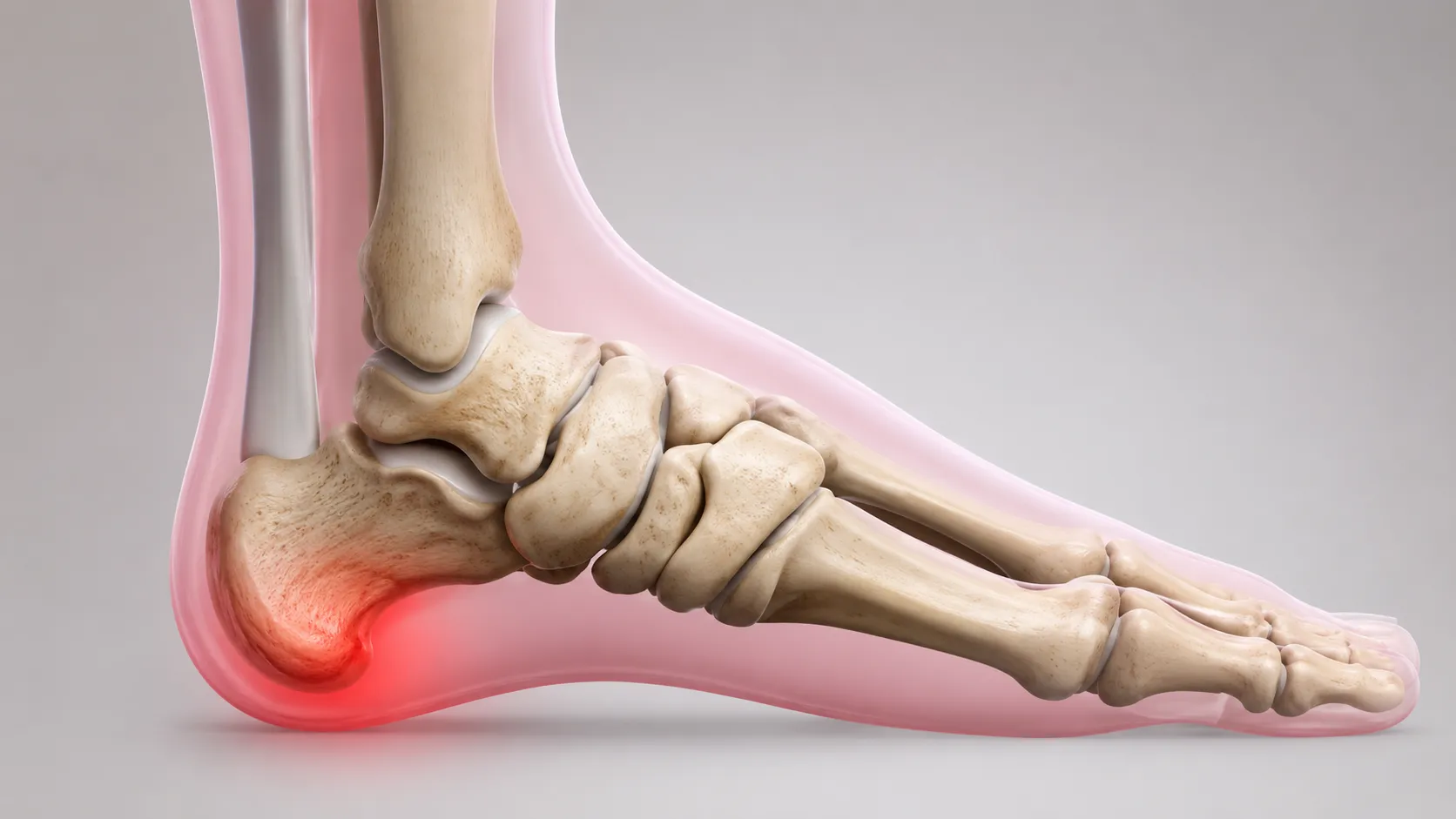
A calcaneal spur, also known as a heel bone spur, is a small bony growth that develops on the heel bone (calcaneus). It forms gradually due to repeated stress, strain, or inflammation at the point where tendons or ligaments attach to the heel.
These spurs are made of calcium deposits and are often visible on X-rays. However, it is important to understand that the spur itself does not always cause pain. In many cases, the discomfort results from irritation or inflammation of surrounding tissues such as the plantar fascia or Achilles tendon.
This is why heel pain physiotherapy focuses on treating the underlying cause of the pain rather than simply addressing the spur itself. By targeting tissue healing, reducing inflammation, and improving foot mechanics, physiotherapy can provide long-term relief and restore normal function.
Inferior Calcaneal Spur (Plantar Heel Spur)
This is the most common type of calcaneal spur and develops on the underside of the heel bone. It is often associated with plantar fasciitis and may cause pain at the bottom of the foot, particularly during the first few steps in the morning or after prolonged periods of rest.
Posterior Calcaneal Spur
This type of heel spur forms at the back of the heel where the Achilles tendon attaches to the heel bone. It is commonly linked to Achilles tendon disorders and may cause pain, tenderness, and discomfort at the back of the heel, especially during walking or physical activity.
Both types of heel spurs can be effectively managed with heel bone spur therapy and structured physiotherapy. In most cases, non-surgical treatment helps reduce pain, improve mobility, and restore normal foot function without the need for invasive procedures.
How Do Calcaneal Spurs Develop?
Calcaneal spurs develop gradually as a result of repeated stress and strain on the heel. Every time you walk, run, or stand for extended periods, your heel absorbs significant pressure. Over time, this repeated loading can cause small injuries and inflammation at the points where tendons or ligaments attach to the heel bone.
As part of the body's natural healing response, extra bone may form in these areas, eventually resulting in a heel spur.
Common Contributing Factors Include:
• Overuse or repetitive strain
• Tight calf muscles
• Poor foot mechanics
• Lack of proper footwear support
A structured foot pain rehabilitation programme helps address these underlying causes by improving flexibility, correcting movement patterns, strengthening supporting muscles, and reducing excessive stress on the heel.
Risk Factors for Calcaneal Spurs
Several factors can increase the risk of developing calcaneal spurs. Understanding and addressing these factors is an important part of effective calcaneal spur treatment and long-term heel pain prevention.
Lifestyle & Activity Factors
• Prolonged standing or walking
• Running on hard surfaces
• Sudden increase in physical activity
• Participation in high-impact sports
Biomechanical Factors
• Flat feet or high arches
• Poor walking or running posture
• Tight calf muscles
Health & Age Factors
• Age-related tissue changes
• Obesity, which increases pressure on the heels
• Diabetes or inflammatory conditions
Footwear Factors
• Wearing flat or unsupportive footwear
• Lack of cushioning or arch support
Identifying and addressing these risk factors is essential for reducing stress on the heel, improving foot function, and achieving successful outcomes with heel pain physiotherapy and calcaneal spur treatment.
When Should You Seek Heel Pain Physiotherapy?
You may benefit from heel pain physiotherapy if you experience any of the following symptoms. Early assessment and treatment can help reduce pain, improve mobility, and prevent long-term complications.
Bottom Heel Pain
• Sharp pain with the first steps in the morning
• Pain after long periods of standing or walking
• Tenderness underneath the heel
Back Heel Pain
• Pain at the back of the heel
• Swelling near the Achilles tendon
• Discomfort while walking, running, or climbing stairs
General Symptoms
• Stiffness in the foot
• Difficulty walking comfortably
• Persistent heel pain lasting more than a few weeks
Seeking treatment early allows the underlying cause of your symptoms to be addressed effectively, helping to prevent chronic pain, improve foot function, and support a faster recovery.
Our Physiotherapy Treatment Approach for Calcaneal Spurs
At Activelife Physiotherapy, we follow a structured and personalised approach to provide effective non-surgical heel spur relief. Our treatment plans are designed to reduce pain, improve function, and help prevent future recurrence.
1. Detailed Assessment
We begin with a comprehensive evaluation of your foot and symptoms, including:
• Pain location and severity
• Foot and ankle movement and flexibility
• Foot posture and walking pattern
This detailed assessment allows us to create a customised calcaneal spur treatment plan tailored to your needs.
2. Pain Relief & Support
To reduce pain and pressure on the heel, we may use:
• Taping techniques
• Heel cushions or supportive insoles
• Ice therapy and electrotherapy
These treatments help provide immediate symptom relief while supporting the healing process.
3. Stretching Exercises
Tight calf muscles and soft tissues can increase stress on the heel. Our programme includes:
• Calf stretching exercises
• Plantar fascia stretching exercises
These stretches help reduce tension and improve flexibility.
4. Strengthening Programme
Targeted strengthening exercises help improve the support provided by the muscles of the foot and ankle. This is a key component of foot pain rehabilitation and helps reduce excessive strain on the heel.
5. Progressive Loading
Gradual loading exercises help the plantar fascia and Achilles tendon adapt and heal. This improves tissue strength, function, and long-term resilience.
6. Manual Therapy
Hands-on physiotherapy techniques may be used to:
• Improve joint mobility
• Reduce muscle tightness
• Enhance blood circulation
7. Gait & Posture Correction
We assess your walking pattern and overall biomechanics to identify abnormalities that may be contributing to heel pain. Correcting these issues helps reduce stress on the heel during daily activities.
8. Footwear & Orthotic Advice
Proper footwear plays a vital role in recovery. We provide guidance on:
• Supportive footwear
• Arch support options
• Appropriate cushioning
If required, custom or prefabricated orthotics may be recommended as part of your heel bone spur therapy.
9. Advanced Therapies
For chronic or persistent cases, we may recommend:
• Shockwave therapy
• Advanced rehabilitation techniques
These treatments can stimulate healing and support faster recovery.
10. Prevention Programme
To minimise the risk of recurrence, we provide a long-term management plan that may include:
• Strengthening exercises
• Regular stretching routines
• Lifestyle and activity modifications
This comprehensive approach helps maintain foot health and supports long-lasting results.
How Long Does Recovery Take?
The recovery timeline for a calcaneal spur varies depending on the severity of the condition, the duration of symptoms, and how consistently the treatment plan is followed.
Mild Cases: 4–6 weeks
Patients with recent or mild symptoms often experience significant improvement within a few weeks of starting treatment.
Moderate Cases: 6–12 weeks
When heel pain has been present for a longer period or is affecting daily activities, recovery may take several weeks of structured rehabilitation.
Chronic Cases: 3–6 months
Long-standing or recurring heel pain may require a more comprehensive rehabilitation programme to fully address the underlying causes and restore normal function.
With consistent calcaneal spur treatment, adherence to prescribed exercises, and appropriate lifestyle modifications, most patients achieve significant improvement and long-term relief from heel pain.
Why Choose Activelife Physiotherapy?
At Activelife Physiotherapy, we are committed to providing evidence-based care and personalised rehabilitation programmes for individuals experiencing heel pain and foot-related conditions.
We specialise in:
• Calcaneal spur treatment
• Heel bone spur therapy
• Heel pain physiotherapy
• Foot pain rehabilitation
• Non-surgical heel spur relief
Our treatment approach focuses on identifying and addressing the underlying causes of heel pain, helping patients achieve long-term relief, improved mobility, and a return to normal activities.
In addition to calcaneal spurs, we also provide expert treatment for related conditions such as plantar fasciitis, Achilles tendon disorders, and other foot and ankle problems that can affect movement and quality of life.
What to Expect During Your First Visit
Your first physiotherapy session is focused on understanding your condition and creating a clear path toward recovery. During the appointment, you can expect:
• Detailed assessment
• Clear explanation of your diagnosis
• Personalised treatment plan
• Initial pain relief therapy
We take the time to ensure that you fully understand your condition, the factors contributing to your symptoms, and the rehabilitation process. Our goal is to provide you with a clear recovery plan and the confidence to move forward with treatment.
Benefits of Physiotherapy for Calcaneal Spurs
Physiotherapy offers a safe and effective approach to managing heel pain and addressing the underlying causes of calcaneal spurs. Key benefits include:
• Effective pain relief
• Improved walking comfort and mobility
• Increased flexibility and muscle strength
• Reduced risk of recurrence and future heel problems
• Avoidance of unnecessary surgery in most cases
With a structured rehabilitation programme, patients can achieve long-term improvement in foot function, return to daily activities comfortably, and maintain a healthier, more active lifestyle.
Frequently Asked Questions
Does a Calcaneal Spur Always Cause Pain?
No. Many people have heel spurs without experiencing any pain. In most cases, the discomfort is caused by irritation or inflammation of surrounding soft tissues, such as the plantar fascia or Achilles tendon, rather than the spur itself.
Can a Calcaneal Spur Heal Without Surgery?
Yes. Most cases respond very well to non-surgical heel spur relief through physiotherapy. Treatment focuses on reducing pain, improving flexibility, correcting foot mechanics, and addressing the underlying cause of the condition.
How Long Does Recovery Take?
Recovery time varies depending on the severity and duration of symptoms. However, most patients experience significant improvement within a few weeks to a few months when following a structured rehabilitation programme.
What Footwear Should I Use?
Supportive footwear with adequate cushioning and arch support is recommended. Proper shoes help reduce pressure on the heel and provide better support during daily activities.
Can a Calcaneal Spur Come Back?
Yes, recurrence is possible if the underlying causes are not addressed. A comprehensive foot pain rehabilitation programme, including strengthening exercises, stretching routines, and footwear modifications, can significantly reduce the risk of future problems.