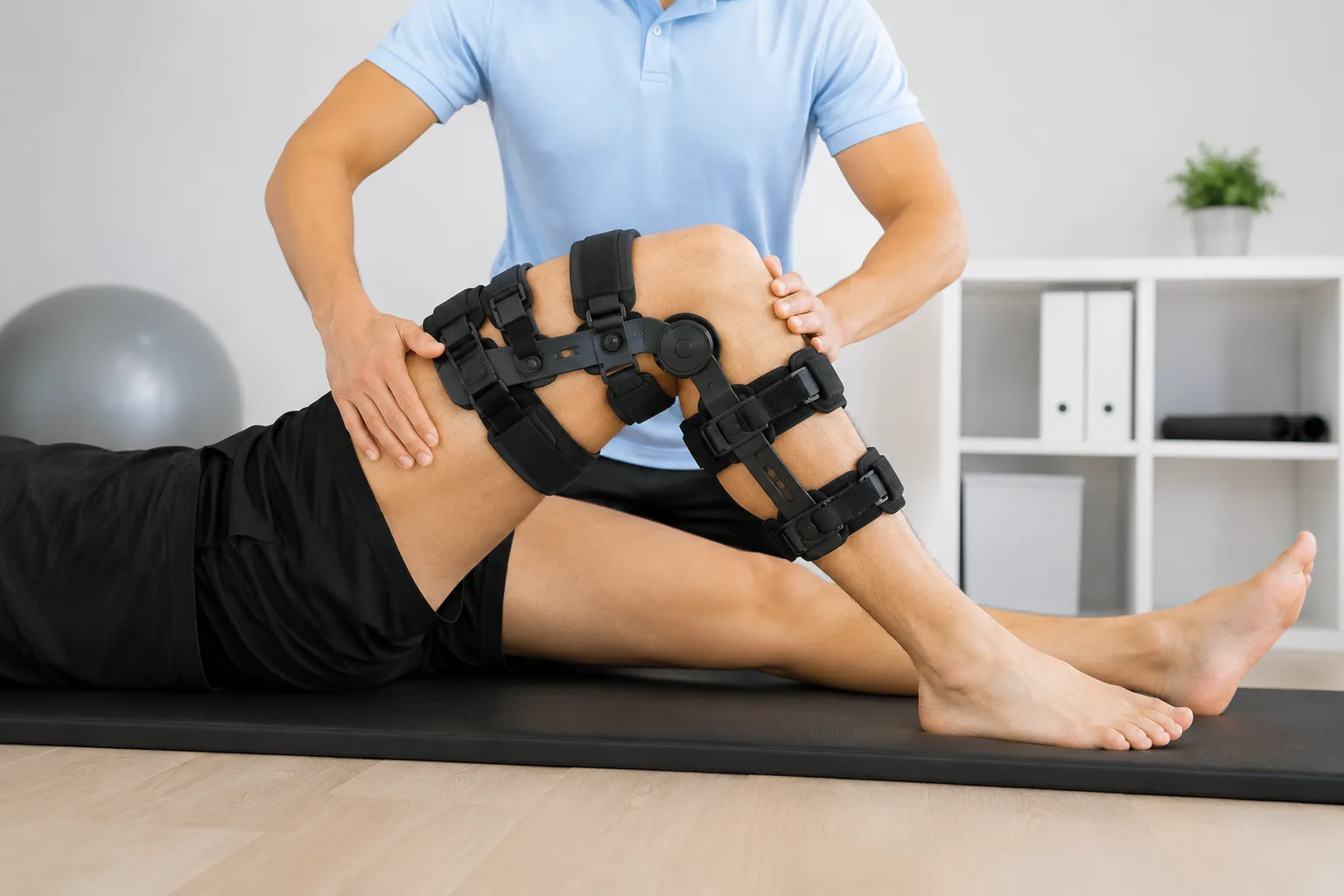
Recovering from knee surgery is not just about healing the joint—it is about regaining your strength, mobility, and confidence. At Activelife Physiotherapy, we provide specialist post-operative knee rehabilitation designed to support you at every stage of recovery. Whether you have undergone ligament reconstruction, knee replacement, or meniscus surgery, our focus is to help you return to your normal life safely and effectively.
Post-operative knee rehabilitation is a structured physiotherapy programme that helps patients recover after knee surgery. It focuses on restoring joint movement, rebuilding muscle strength, and improving overall function. While surgery corrects the underlying issue, it also causes swelling, stiffness, and muscle weakness, which must be managed carefully.
A well-planned knee surgery rehabilitation programme ensures that recovery is smooth and complications are minimised. At Activelife Physiotherapy, each plan is tailored to your surgery type, physical condition, and recovery goals.
ACL Reconstruction
ACL injuries are common among active individuals and athletes. Recovery involves a long and structured programme focusing on strength, stability, and a gradual return to sports. Our ACL surgery rehabilitation programme is designed to ensure a safe and complete recovery.
Knee Replacement Surgery
Total and partial knee replacements require focused rehabilitation to restore mobility and independence. Our knee replacement recovery therapy helps improve walking ability, muscle strength, and performance in daily activities.
Meniscus Surgery
Meniscus repair or removal requires careful rehabilitation. While minor procedures may allow a quicker recovery, repairs often need a more gradual approach to protect healing tissues and achieve optimal results.
Other Knee Procedures
We also rehabilitate patients following cartilage repairs, ligament reconstructions, and fracture surgeries. Each rehabilitation programme is customised according to the specific procedure, recovery stage, and individual goals.
Early Phase – Pain & Swelling Control
In the initial days after surgery, the primary focus is on reducing pain and swelling while protecting the healing knee. Gentle movements and basic exercises are introduced to prevent stiffness, improve circulation, and support early recovery.
Intermediate Phase – Mobility & Strength
As recovery progresses, rehabilitation exercises focus on improving joint mobility and rebuilding muscle strength. This stage is essential in post-operative knee physiotherapy for helping patients regain independence in daily activities.
Strengthening Phase – Stability & Control
During this phase, structured strengthening exercises help restore muscle power, improve joint stability, and enhance overall knee function. Balance and coordination training are also introduced to improve movement control.
Advanced Phase – Functional Recovery
In the final stage, rehabilitation focuses on returning to daily activities, work, or sports. Advanced exercises are designed to restore full function, improve endurance, and rebuild confidence in movement.
Restoring full movement in the knee is one of the most critical parts of recovery. Limited motion can affect walking, posture, and overall function. Through targeted exercises and manual therapy, we ensure effective knee mobility restoration, helping you regain natural and pain-free movement.
Muscle weakness is common after knee surgery, especially in the quadriceps. Without proper strengthening, recovery can be delayed. Our rehabilitation programmes focus on gradually rebuilding strength through safe and progressive exercises. Strong muscles not only support the knee but also reduce the risk of future injuries. This is why strength training is a key part of every knee surgery rehabilitation plan.
Neuromuscular Training & Balance After surgery, the body often loses its natural coordination and balance. Neuromuscular training helps restore this by improving how your muscles and nerves work together. Balance exercises and stability training are included to ensure safe movement and prevent re-injury.
Many patients develop improper walking patterns after surgery due to pain or weakness. Our physiotherapists provide gait training to correct these patterns and help you walk normally again. This improves both comfort and confidence in daily movement.
Initial Assessment
Your rehabilitation begins with a detailed evaluation of your condition, including mobility, muscle strength, and pain levels. Based on this assessment, we create a personalised treatment plan tailored to your surgery, recovery stage, and individual goals.
Progressive Exercise Programme
Your rehabilitation exercises are gradually progressed according to your recovery and functional improvements. This structured approach ensures safe, effective, and steady progress at every stage of healing.
Home Exercise Support
A structured home exercise programme is provided to support your recovery between physiotherapy sessions. Following these exercises consistently is essential for maximising recovery, improving strength, and achieving the best possible outcomes.
First Appointment
Your first session includes a comprehensive assessment of your condition, along with a clear explanation of your rehabilitation and recovery plan. You will begin appropriate early-stage exercises and receive detailed guidance on home care, activity modification, and recovery expectations.
Number of Sessions
The number of physiotherapy sessions required depends on the type of surgery, your current condition, and your recovery goals. Minor procedures may require only a few weeks of rehabilitation, while major surgeries such as ACL reconstruction or knee replacement surgery may require several months of structured rehabilitation to achieve optimal results.
1. When Should Physiotherapy Start?
Physiotherapy usually begins within a few days after surgery, depending on your surgeon’s recommendations and the type of procedure performed. Early movement and guided exercises help reduce stiffness, improve circulation, and support a faster recovery.
2. How Long Does Recovery Take?
Recovery time varies based on the type of surgery, your overall health, and how consistently you follow your rehabilitation programme. While basic recovery may take a few weeks, full recovery and return to optimal function can take several months.
3. Can I Return to Sports?
Yes, many patients can safely return to sports after completing a structured rehabilitation programme. A well-designed ACL surgery rehabilitation programme helps restore strength, stability, balance, and confidence, ensuring a safe return to sporting activities.